Vertical Business Card Holder SVG PDF: A Practical Guide to Design, Function, and Format Selection
In the realm of professional networking, the physical presentation of contact information remains a tangible touchpoint that digital exchanges often lack. For crafters, small business owners, and event organizers, creating custom storage solutions offers a unique blend of branding and utility. The Vertical Business Card Holder SVG PDF represents a specific category of digital design files intended for electronic cutting machines or manual crafting. Unlike standard horizontal holders, this vertical orientation aligns with modern card designs and offers distinct functional advantages through its multi-use flap mechanism.
Understanding whether this specific design format suits your needs requires looking beyond the aesthetic appeal. It involves evaluating the technical specifications, the versatility of the three-way usage model, and the compatibility of file formats with your available tools. This guide explores the practical applications, structural benefits, and decision factors associated with using a vertical business card holder design in both SVG and PDF formats.
Understanding the Three-Way Functional Design
The defining characteristic of this particular holder is not merely its vertical orientation, but its engineered versatility. Most basic card holders serve a single purpose: containment. However, this design incorporates a flap that transforms the object’s function based on user needs. This adaptability makes it a compelling choice for dynamic environments such as trade shows, conferences, or retail counters.
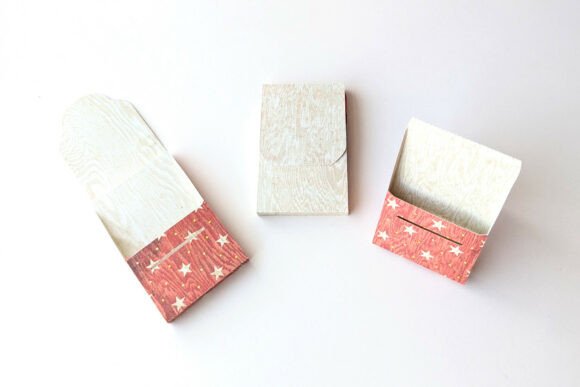
- Closed Mode: With the flap secured, the unit functions as a traditional, compact business card holder. This is ideal for transport or when a clean, minimalist look is required on a desk.
- Display Stand Mode: The flap can be folded to create a stable base, allowing the holder to stand upright on a table. This orientation ensures that the top card is always visible and accessible, encouraging interaction without the need for the user to dig through a stack.
- Bulletin Board Mode: Perhaps the most innovative feature is the ability to pin the entire holder to a corkboard or fabric display. The flap acts as an anchor, securing the unit while leaving the cards exposed for easy removal. This is particularly effective for community centers, co-working spaces, or job fairs where passive distribution is key.
This tri-functionality addresses a common pain point in networking materials: static presentation. By offering multiple deployment options, the design increases the likelihood that your contact information will be seen and taken.
Technical Specifications and Sizing Considerations
Before committing to a cut, it is crucial to understand the dimensional constraints. The interior depth of this holder is approximately 3/8 inch. This measurement is critical because it dictates the volume of cards the holder can accommodate. Standard business card stacks vary in thickness depending on paper weight and coating. A 3/8-inch depth typically holds a moderate stack, suitable for daily use or short-term events, but may require frequent refilling during high-traffic periods.
The design is pre-sized for standard vertical business cards. It is important to note that "standard" can vary slightly by region and printer. In the United States, the standard vertical card is usually 2 inches by 3.5 inches. However, some users may utilize square cards or oversized vertical formats. The included instructions provide the correct dimensions for resizing, which is a necessary step if your cards deviate from the norm. Failure to adjust the SVG or PDF accordingly can result in cards that are too loose and fall out, or too tight to insert smoothly.
File Formats: Choosing Between SVG, PDF, PNG, and DXF
One of the strengths of purchasing a digital design package is the inclusion of multiple file formats. Each serves a different workflow, and understanding their distinctions helps in selecting the right tool for your project.
SVG (Scalable Vector Graphics)
The SVG format is the primary choice for users with electronic cutting machines such as the Cricut Explore, Silhouette Cameo, or Brother ScanNCut. As a vector file, it allows for infinite scaling without loss of quality. This is essential for ensuring clean cut lines. The SVG is fully editable within design software like Cricut Design Space, allowing users to change colors, resize elements, or modify layers before sending the job to the machine. For those seeking precision and repeatability, the SVG is the superior option.
PDF (Portable Document Format)
The included PDF serves two purposes. First, it acts as a reference for dimensions and assembly instructions. Second, it is designed for users who do not own a cutting machine. The PDF can be printed on standard cardstock and cut by hand using scissors or a craft knife. While this method is more labor-intensive and less precise than machine cutting, it lowers the barrier to entry for hobbyists or those needing a quick, one-off solution.
DXF and PNG
The DXF file is tailored for users of specialized software such as AutoCAD or Graphtec plotters. It ensures compatibility with industrial or professional-grade cutting systems that may not support SVG natively. The PNG file, conversely, is a non-cuttable raster image. It is useful for visual reference, previewing how the final product might look with different color schemes, or for digital mockups. However, it cannot be used for cutting paths.
Comparing Vertical vs. Horizontal Holders
When evaluating whether to use a vertical business card holder SVG PDF, it is helpful to compare it against the more common horizontal alternatives. Horizontal holders have been the industry standard for decades, largely because traditional business cards were designed horizontally. However, design trends have shifted.
Vertical cards often feature bold typography and modern layouts that can be obscured in a horizontal holder. A vertical holder showcases the full design of the card immediately. Furthermore, vertical holders tend to have a smaller footprint on a desk, making them suitable for cluttered workspaces. On the other hand, horizontal holders may offer greater stability for very thick cardstocks due to a wider base. The choice ultimately depends on the orientation of your printed cards and the aesthetic you wish to project.
Material Selection and Durability Tradeoffs
The digital file is only half of the equation; the material you choose determines the longevity and professionalism of the final product. Since this design is intended for cutting machines, cardstock is the most common medium.
- Standard Cardstock (65-80 lb): Easy to cut and fold, but may lack the rigidity needed for the stand mode if the cards are heavy. Best for lightweight, temporary displays.
- Heavy Cardstock (100-110 lb): Provides excellent structure for the standing and pinning functions. It holds its shape better over time but may require scoring tools to ensure clean folds without cracking.
- Acetate or Plastic Sheets: Some advanced users attempt to cut clear plastic for a modern look. However, this requires specific blade settings and may not hold the fold as crisply as paper-based materials.
For the bulletin board function, durability is key. Repeated pinning and unpinning can tear weaker materials. Using a reinforced cardstock or laminating the back of the holder can extend its lifespan in high-traffic areas.
When Is This Design the Right Choice?
The Vertical Business Card Holder SVG PDF is an ideal solution for individuals who value customization and multi-functionality. It is particularly well-suited for:
- Small Business Owners: Who want branded holders that match their vertical card design without paying for expensive custom manufacturing.
- Event Organizers: Who need quick, scalable solutions for speaker bios or sponsor cards that can be displayed on tables or pinned to boards.
- Crafters and DIY Enthusiasts: Who enjoy the process of creating tangible items and have access to cutting machines.
However, it may not be the best option for those requiring hundreds of identical units quickly, as manual assembly and folding can be time-consuming. In such cases, injection-molded plastic holders might be more efficient, albeit less customizable. Additionally, if your business cards are significantly thicker than standard stock, the 3/8-inch depth may prove insufficient, necessitating a redesign or alternative storage method.
By carefully considering the file formats, material choices, and functional requirements, you can determine if this versatile vertical holder aligns with your networking strategy. It offers a balanced approach between professional presentation and creative flexibility, making it a valuable resource for modern professionals.