Master the Leather Card Holder Template
Crafting a functional accessory from scratch offers a unique sense of accomplishment that mass-produced items simply cannot replicate. For hobbyists, small business owners, and creative professionals alike, the process of making leather goods bridges the gap between artistic expression and practical utility. At the heart of this creative journey lies the Card Holder Template, a foundational tool that transforms raw materials into polished, professional-grade accessories. Whether you are working with genuine leather or high-quality faux alternatives, having a precise pattern is the difference between a rough prototype and a refined product ready for daily use or retail.
The appeal of a well-designed card holder extends beyond its simplicity. It is often the first project that introduces crafters to the nuances of leatherworking, such as grain direction, edge finishing, and stitching consistency. By utilizing a pre-engineered template, you eliminate the guesswork associated with drafting patterns from scratch. This allows you to focus entirely on material selection, cutting precision, and assembly techniques. The result is a streamlined workflow that saves time while ensuring consistent quality across multiple builds.
Precision and Efficiency in Design
One of the most significant advantages of using a digital Card Holder Template is the immediate access to accurate dimensions. Hand-drawing patterns can lead to subtle inconsistencies, especially when scaling up production or creating gifts for multiple recipients. A digital template ensures that every cut piece fits perfectly with its counterparts, reducing material waste and frustration. This precision is particularly vital when working with expensive leather hides, where every square inch counts.
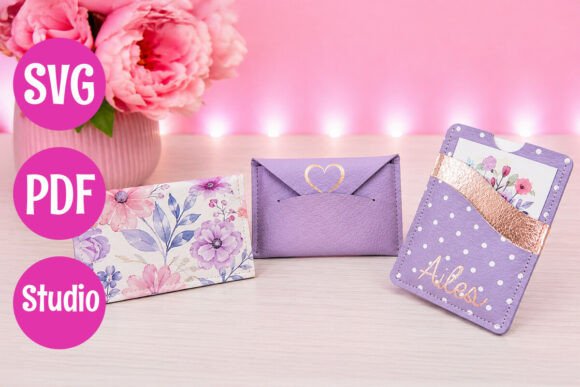
Modern crafting tools have revolutionized how we interact with these patterns. The template is designed to be compatible with popular cutting machines like Cricut and Silhouette, allowing for effortless execution. Instead of spending hours measuring and marking, you can upload the SVG file directly to your software, adjust settings for your specific material thickness, and let the machine do the heavy lifting. This integration of technology and traditional craft makes the process accessible to beginners who may feel intimidated by manual pattern drafting, while still offering the customization options that experienced makers demand.
For those who prefer the tactile experience of hand-cutting, the included PDF files provide clear, print-ready guides. These can be traced onto paper or directly onto the back of the material, maintaining the integrity of the design without requiring specialized equipment. This flexibility ensures that the Card Holder Template serves a wide range of users, from tech-savvy entrepreneurs using automated workflows to traditional artisans who value the slow, deliberate pace of manual craftsmanship.
Versatility Across Materials and Uses
While leather is the classic choice for card holders, the versatility of this template allows for experimentation with various materials. Faux leather, vinyl, and even sturdy fabrics can be used to create unique variations. This adaptability is crucial for creators looking to diversify their product lines or tailor items to specific customer preferences. For instance, a vegan-friendly brand might opt for high-grade synthetic leather, while a luxury boutique might choose full-grain hide. The template accommodates both, provided the material thickness is considered during the cutting phase.
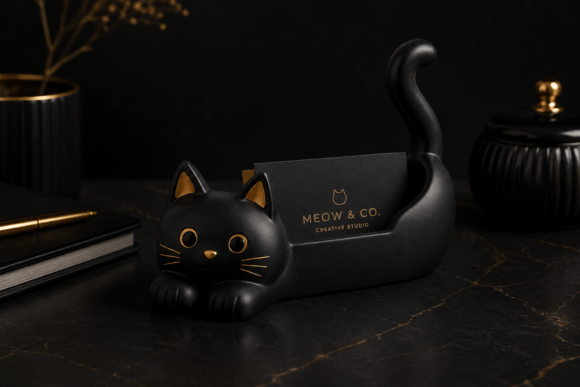
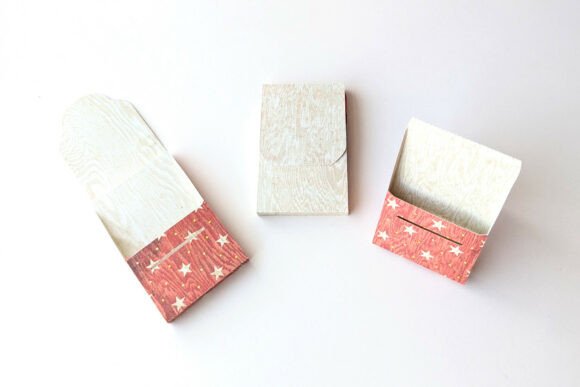
The design itself is minimalist, focusing on functionality without unnecessary bulk. This makes it ideal for holding credit cards, business cards, or identification badges. In a professional context, a handmade card holder serves as an excellent networking tool. Handing over a business card encased in a custom-made leather sleeve leaves a lasting impression, signaling attention to detail and personal brand identity. For educators and freelancers, it offers a practical way to organize essentials while showcasing creativity.
Moreover, the compact nature of the project makes it an excellent candidate for batch production. Small business owners can efficiently create inventory for craft fairs or online stores. The quick turnaround time per unit, facilitated by the easy-to-cut design, means that creators can respond rapidly to market trends or seasonal demands. Whether it is a holiday gift season or a corporate event requiring branded merchandise, the Card Holder Template provides a scalable solution.
Enhancing Skills and Building Confidence
For beginners, starting with a complex wallet or bag can be daunting. A card holder serves as an ideal entry point, introducing fundamental skills without overwhelming the learner. Tasks such as aligning edges, applying adhesive, and executing neat stitches are easier to master on a smaller scale. Successfully completing a card holder builds confidence, encouraging crafters to tackle more ambitious projects. It acts as a stepping stone, reinforcing the importance of precision and patience in leatherworking.
Experienced makers also benefit from using standardized templates. When testing new techniques, such as different stitching patterns or edge paints, having a consistent base shape allows for accurate comparison of results. It removes variables related to structure, enabling the artisan to focus solely on refining their finish. This iterative process is essential for professional growth and maintaining high standards in handmade goods.
Additionally, the template supports creative customization. While the base shape remains constant, makers can personalize each piece through tooling, embossing, or color choices. This balance of structure and freedom encourages innovation. You might experiment with contrasting thread colors, add monograms, or incorporate unique hardware. The Card Holder Template provides the canvas, but your creativity defines the final artwork.
Practical Considerations for Best Results
To maximize the potential of your Card Holder Template, consider the properties of your chosen material. Thicker leathers may require adjustments in hole punching or stitching tension, while thinner materials might need reinforcement or lining. Always test cuts on scrap pieces before committing to your final material. This practice helps identify any issues with blade depth or pressure settings on cutting machines, ensuring clean edges and accurate shapes.
Assembly is another critical phase. Take time to align pieces precisely before bonding or stitching. Using clips or clamps can hold layers in place, preventing slippage during sewing. For a professional finish, pay attention to edge treatment. Sanding, burnishing, or painting edges can elevate the look of the card holder, transforming it from a simple craft project into a polished accessory. These finishing touches often distinguish amateur work from professional-grade items.
It is also important to recognize the limitations of digital templates. While they provide accurate dimensions, they cannot account for every variation in material behavior. Stretch, shrinkage, or texture differences may require minor adjustments during assembly. Experienced crafters learn to anticipate these nuances, adapting their techniques accordingly. Beginners should view each project as a learning opportunity, noting what works and what needs improvement for future builds.
A Sustainable Approach to Crafting
In an era where sustainability is increasingly valued, making your own accessories reduces reliance on fast fashion and disposable goods. A well-crafted leather card holder is durable and long-lasting, offering a sustainable alternative to cheap, plastic-based wallets. By choosing high-quality materials and investing time in construction, you create items that endure, reducing waste over time. This mindful approach resonates with consumers who prioritize ethical production and longevity.
Furthermore, digital downloads eliminate the environmental impact associated with shipping physical patterns. The instant access to files means you can start your project immediately, without waiting for delivery or dealing with packaging waste. This convenience aligns with the modern desire for efficiency and eco-consciousness. The Card Holder Template thus supports not only creative goals but also broader values of sustainability and responsible consumption.
Whether you are creating a gift for a loved one, building a product line for your business, or simply enjoying the therapeutic process of crafting, this template offers a reliable foundation. It combines ease of use with professional results, making it a valuable resource for anyone interested in leather goods. By focusing on precision, versatility, and skill development, you can transform simple materials into meaningful, functional art.